

Basil - the functional food
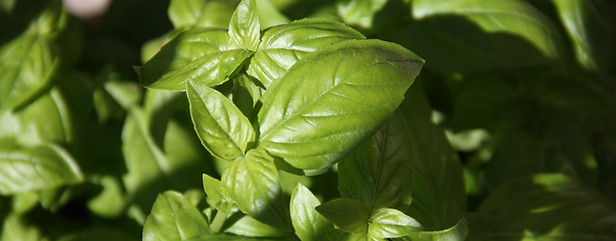
Basil is a perennial herb that comes in many varieties. A member of the mint family, Basil is an aromatic plant traditionally used for culinary and medicinal properties. Often with a sweet, peppery, or licorice-like taste, it is used to flavor salads, sauces (pesto), soups, pizza, fish, and other foods. But did you know that in addition to heightening one’s gastronomical experiences, Basil is considered a functional food – a conventional food that may provide important health benefits? The health benefits of the basil plant are abundant and come from fresh leaves, dried leaves or the plant’s oil.
Here’s why you may want to add it to your dishes:
-
Replacing added salt to foods with basil can reduce sodium intake and help to lower high blood pressure and the risk of cardiovascular disease.
-
Basil is packed with nutrients. Fresh basil is a source of fiber, omega 3 fatty acids, vitamins (including folate, Vitamins A, C and K) and minerals (including iron and calcium). Just 1 teaspoon of dried basil leaves provides approximately 13% of one’s daily Vitamin K needs, while 1 cup of whole fresh leaves provides much more.
-
The benefits of basil as a function food are attributed to:
-
Phytochemicals in them. Phytochemicals are biologically active chemical compounds that exist naturally in plants (think a Mediterranean diet!) and provide health benefits in addition to those attributed to other nutrients found in plants. Basil contains over a dozen phytochemicals associated with improving immunity, reducing inflammation (e.g. antioxidants) and lowering rates of certain types of cancers.
-
Antimicrobial compounds in them. These compounds have antibacterial, antiviral and antifungal properties to help combat various infections.
-
-
According to the USDA, herbs may have more antioxidant power than the same amount of berries, fruits and vegetables. In a study assessing the antioxidant activity of 27 culinary herbs and 12 medicinal herbs, culinary herbs such as Basil scored high in providing antioxidant activity.
-
Historically used in Chinese and Ayurvedic medicine, Basil is used around the world. Although most studies are limited to in vitro and/or animals, additional health benefits of certain varieties of Basil (including Holy Basil aka Tulsi), fresh, dried, extracts or essential oils, teas, tinctures, and/or ointments may include helping with:
-
Nausea
-
Bug bites
-
Digestive disorders (flatulence, bloating, stomach cramps, constipation, diarrhea)
-
Respiratory disorders (asthma, congestion)
-
Skin disorders
-
Wound healing
-
Stress reduction
-
-
Tips for cooking Basil:
-
Herbs and spices such as garlic, marjoram, mustard, oregano, paprika, parsley, pepper, rosemary, and sage complement Basil.
-
Although stems are edible, it is easier to cook with Basil leaves only.
-
Best to add fresh basil in the final step of cooking. Heat can reduce its flavor, bright green color and nutrients.
-
Dried basil is more concentrated than fresh. When substituting dried basil for fresh basil in a recipe, consider using 1/3 of the amount of dried basil required of fresh.
-
-
Tips on growing and storing Basil:
-
Basil does well in warm, sunny conditions with at least 6 hours of sun per day. Basil is sensitive to cold, so keep your Basil at nighttime temperatures above 60 degrees F.
-
Avoid plucking when harvesting. Better to pinch stems above leaf nodes to promote fuller growth.
-
Store your basil stems in a jar with room temperature tap water. The cold temperature of your refrigerator may discolor your leaves.
-
You can dry your Basil leaves and store them in a closed jar. The essential oils, aroma and flavor of the leaves are retained if you keep them from crumbling.
-